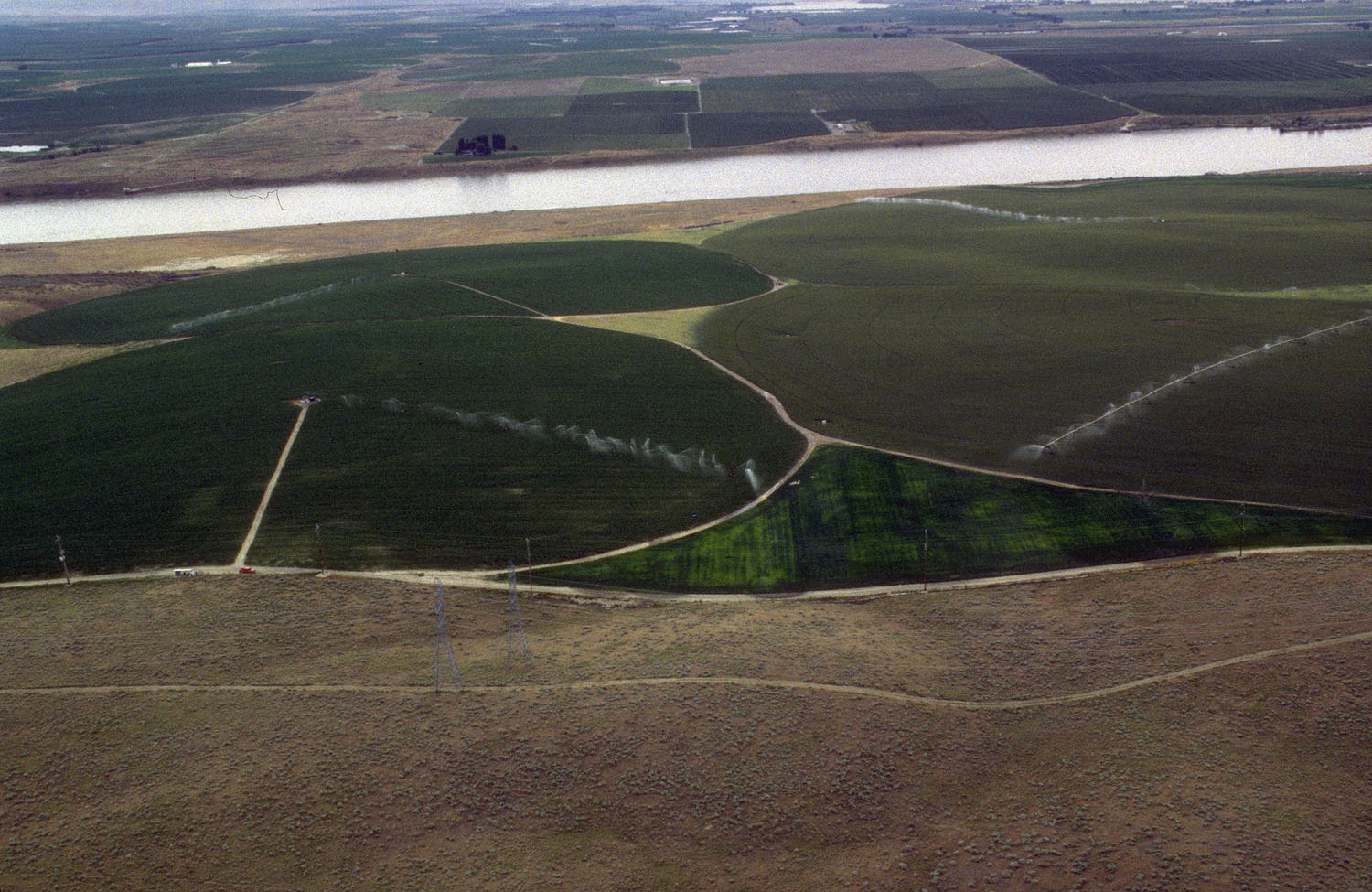
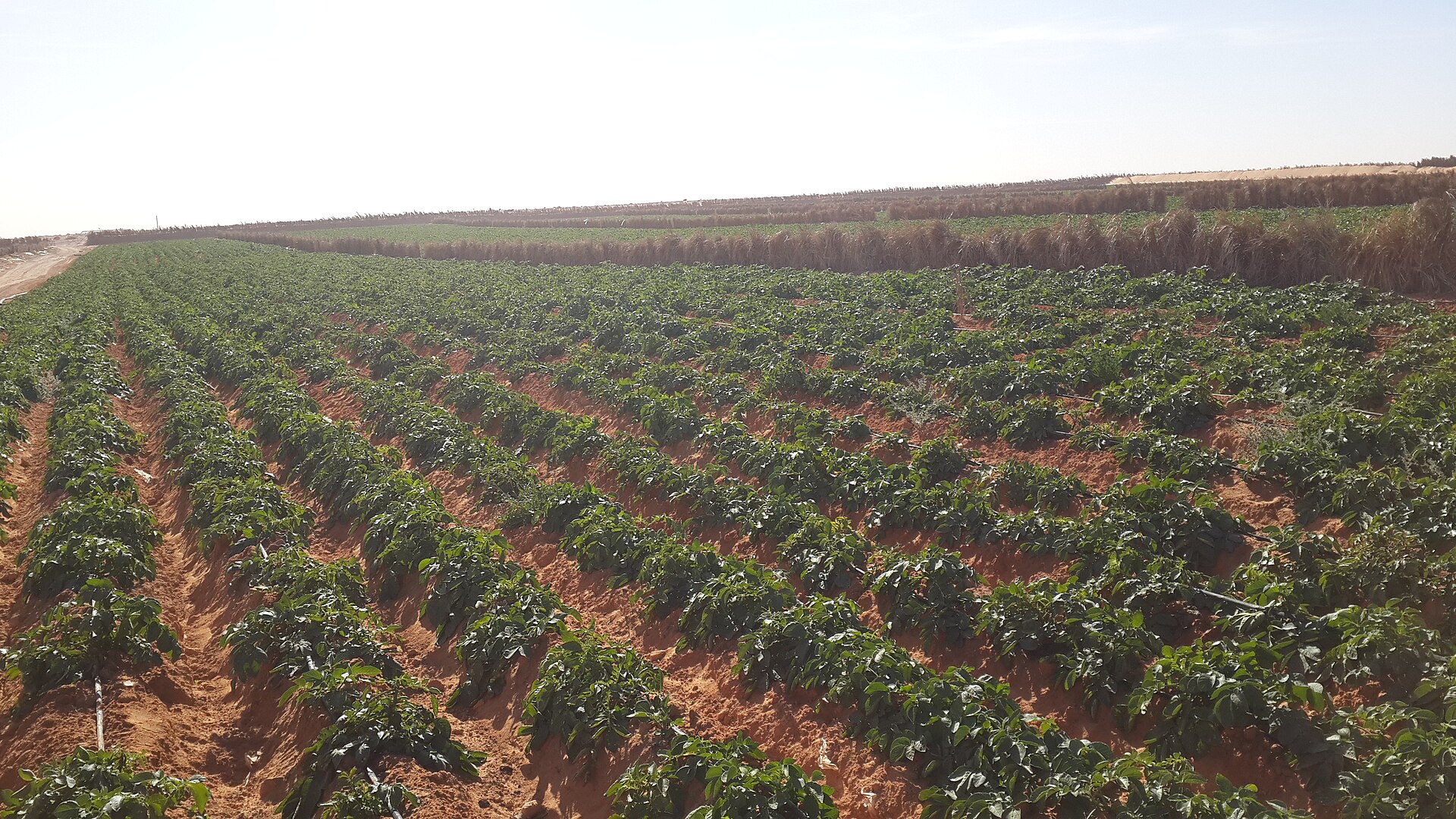
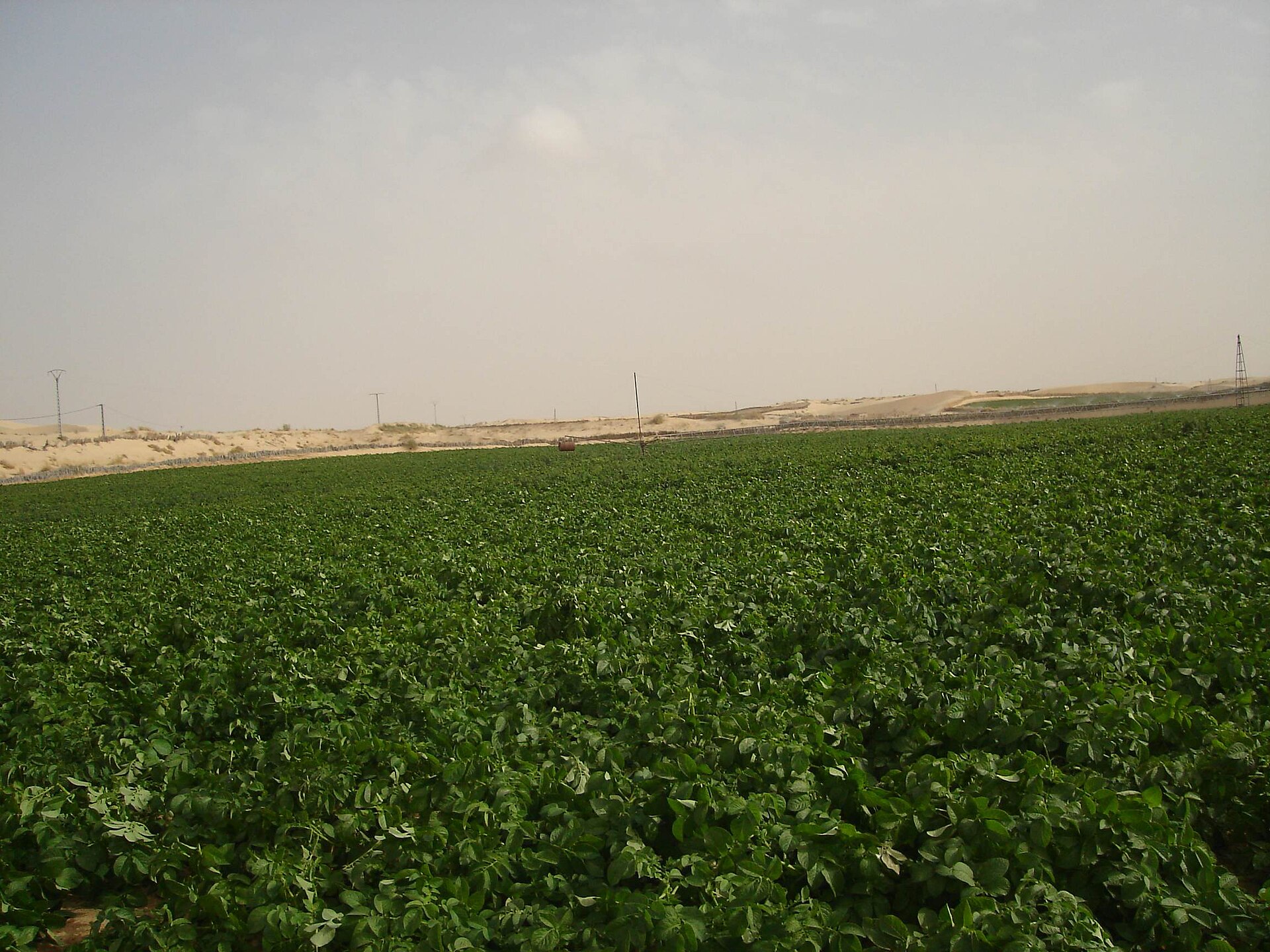
Potatoes lose yield when more than 30–50% of available soil water is used. Guides from FAO, UC IPM and Oregon State give thresholds and sensor readings for irrigation timing.
Globodera pallida populations fall only 10–30% a year without potatoes, while susceptible crops can multiply them 46–100 fold. Rotation alone takes at least eight years.
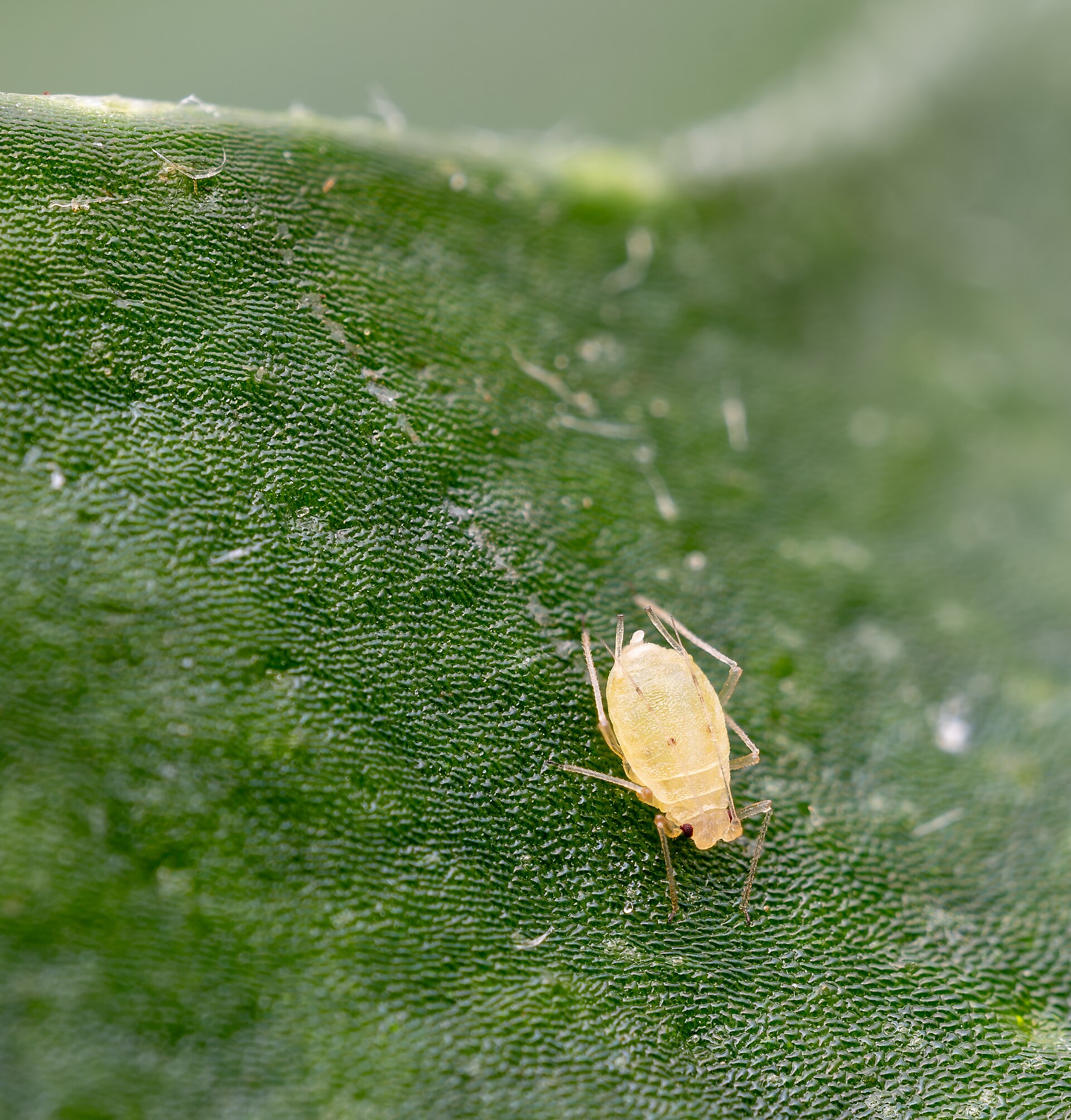
Field trials in Finland, Canada and Belgium show that mineral oil reduces potato virus Y spread in seed crops, but not fully. Straw mulch and oil-insecticide mixes add protection.
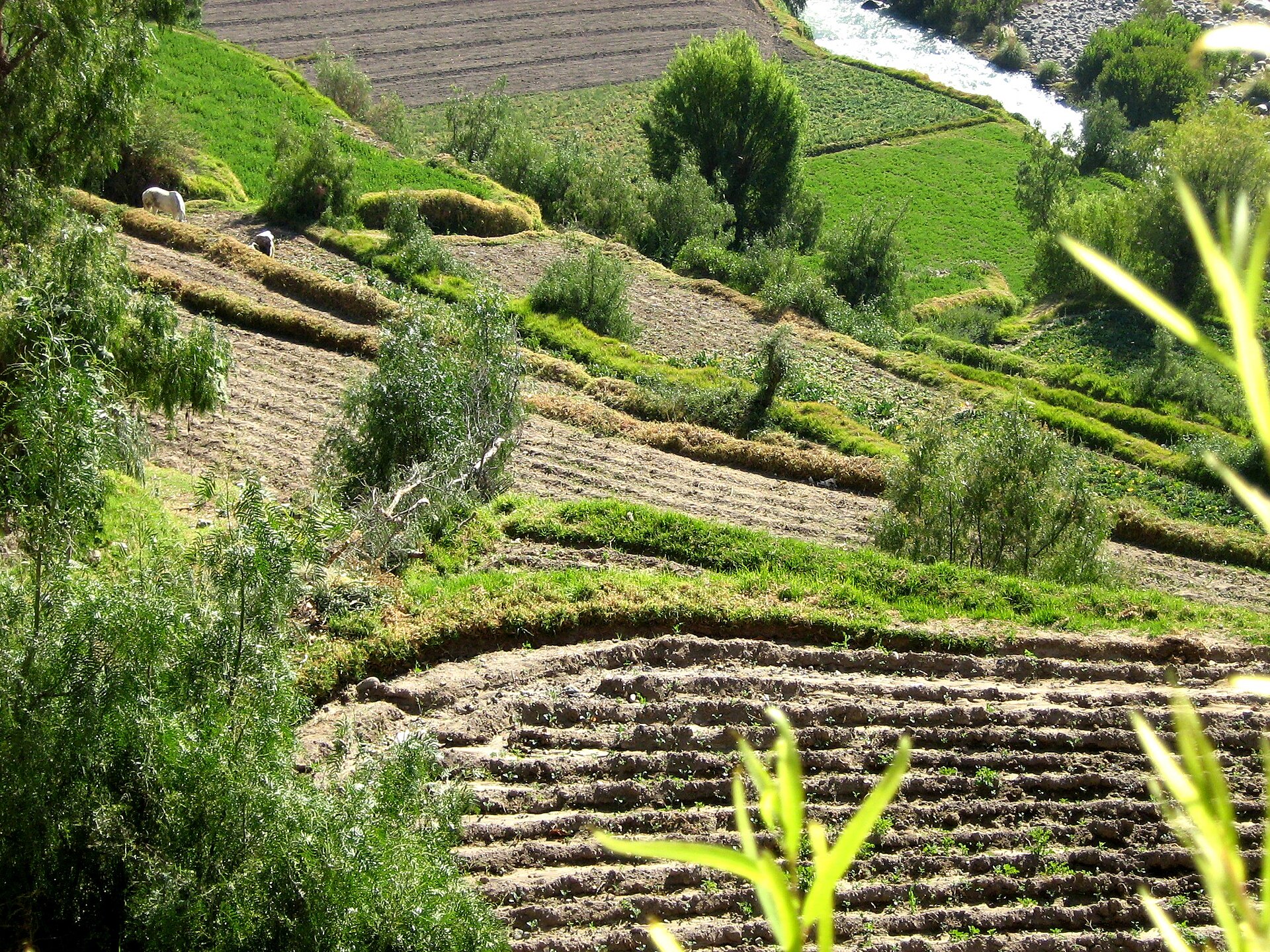
Peru harvested 6.58 million tonnes of potatoes in 2024, twice the 2000 level, as average yields rose to 19.5 t/ha. More than 710,000 families grow the crop.
Brazil's statistics agency IBGE expects 4.20 million tonnes of potatoes in 2026, 8.2% less than in 2025. Planted area fell 9.2%, while average yields held steady.
Morocco harvested 2.19 million tonnes of potatoes in 2024, twice the 2000 level. The area stayed near 60,000–67,000 hectares, so almost all the growth came from yields.
A seed trader told Maghreb Emergent that class 1 Arizona seed potatoes cost about 100 dinars when local and up to 400 dinars when imported. Prices rise every year.
The Dutch Court of Audit finds that drought cut ware potato yields by 2.1% a year on average over 1998–2023. That equals 962 kg per hectare and €14–35 million of lost output.
Finland expects a potato crop of more than 620 million kg, about 10% above average, according to the research institute Luke. Autumn rains still threaten volume and quality.