Russia: Potato Price Slide Nearly Stalls as 2026 Harvest Ends
Russian retail potato prices fell only 0.3% in the week of 6–12 October after a 2.3% drop a week earlier, as regions finish the 2026 harvest.
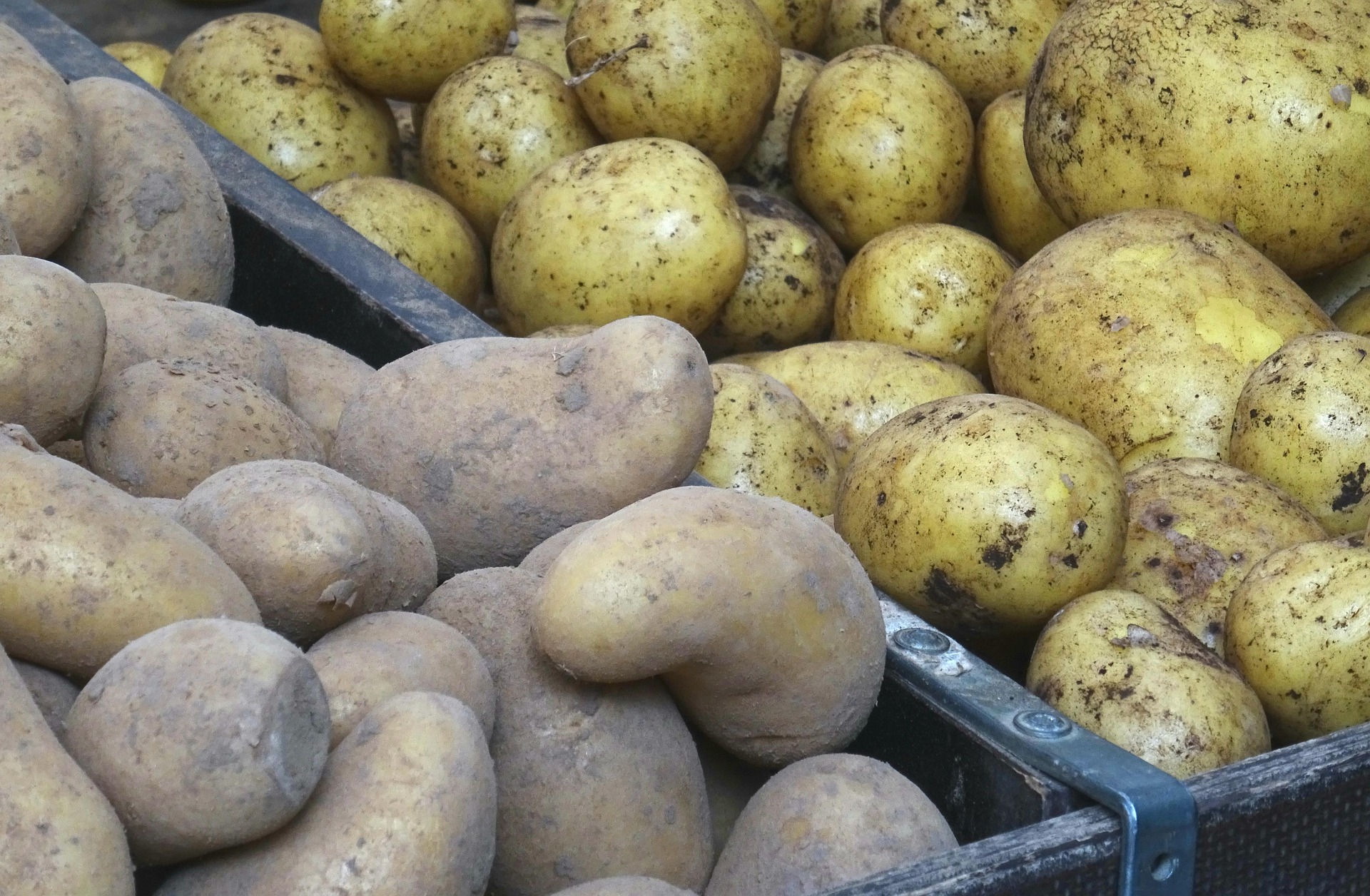
Russia’s seasonal slide in potato prices is losing momentum as the 2026 harvest draws to a close: retail prices fell by just 0.3% in the week of 6–12 October, after a 2.3% drop the week before. For growers, this is the moment to decide whether to sell off the field or bet on storage.
According to Rosstat’s weekly consumer price data, reported by Interfax on 14 October, potatoes were 0.3% cheaper in the week of 6–12 October. A week earlier the decline had been 2.3%. Even after the autumn correction, potato prices in Russia remain 6.7% higher than at the start of 2026.
The steep part of the seasonal fall came earlier. The retail analytics centre of the Association of Retail Companies (AKORT) reported on 13 October that potatoes in large retail chains became 19% cheaper in September compared with August, one of the biggest declines among the “borscht set” vegetables, alongside carrots (−24%), white cabbage (−14%), beetroot (−12.5%) and onions (−11%).
Harvest in the final stretch
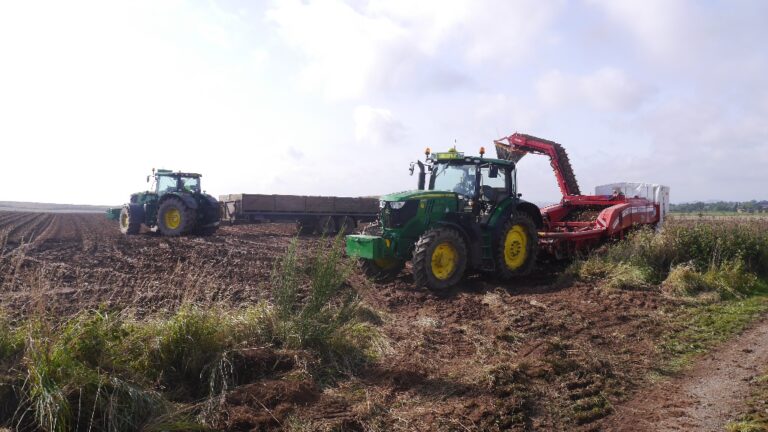
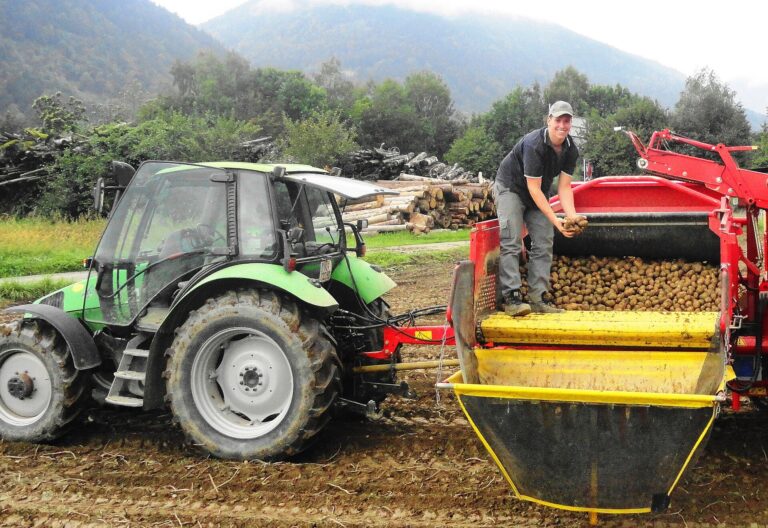
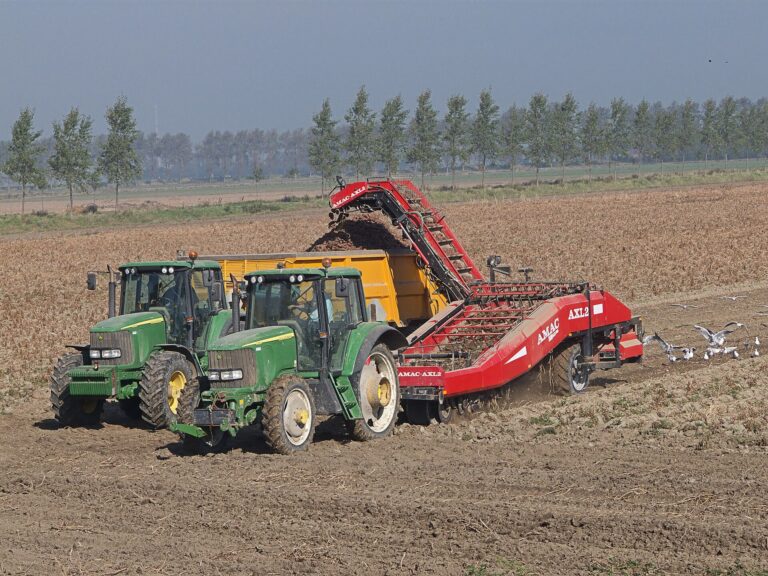
Regional reports show the commercial harvest nearly complete in many areas. In Tyumen Oblast, potatoes had been lifted from 98.6% of the planted area by 14 October, with 193,500 tonnes dug at an average yield of 307 centners per hectare (30.7 t/ha).
In the northern Arkhangelsk Oblast, farms had harvested more than 20,300 tonnes from 1,120 hectares by 14 October, over 80% of the annual plan, at an average yield of 180.6 c/ha. The region plans a total of about 23,000 tonnes from 1,400 hectares this year. Around 130 hectares are planted with high-generation seed potatoes, from which more than 2,000 tonnes of seed are expected. Rainy weather and waterlogged soils are complicating field work there.
Why it matters for growers
A flattening price curve at the end of harvest typically signals that the bulk of “off-the-field” supply has already hit the market. The key commercial question for producers now is whether storage pays: the expected spring price must cover storage costs, weight losses and quality risks over the winter months. Lots harvested from waterlogged fields, as reported in the north, may be less suitable for long-term storage than tubers lifted in dry conditions.
Potatoes.News will follow up with comments from growers and market analysts on storage economics for the 2026/27 season.