The threat of emerging plant diseases has become more frequent as global warming and international trade are increasing. Blackleg and soft rot of potatoes caused by the group of bacteria in the family Pectobacteriaceae and the genera Dickeya and Pectobacterium are…
Plant-parasitic nematodes cause significant economic losses in crop production, with root-knot nematodes (RKN; Meloidogyne spp.)) and potato cyst nematodes (PCN; Globodera spp.) being the top two in terms of agronomic impact. These are responsible for approximately 5%…
Weather Challenges and Crop Delays in Northwest Europe The fresh potato crop in northwest Europe, particularly in Belgium and the Netherlands, is facing significant delays due to persistent rainy weather that hindered plantings. These delays are expected…
In Prince Edward Island, watershed groups are actively monitoring potato fields for signs of late blight, conducting weekly checks at twelve locations across the island to detect the spores responsible for the disease. Watershed groups in Prince Edward…
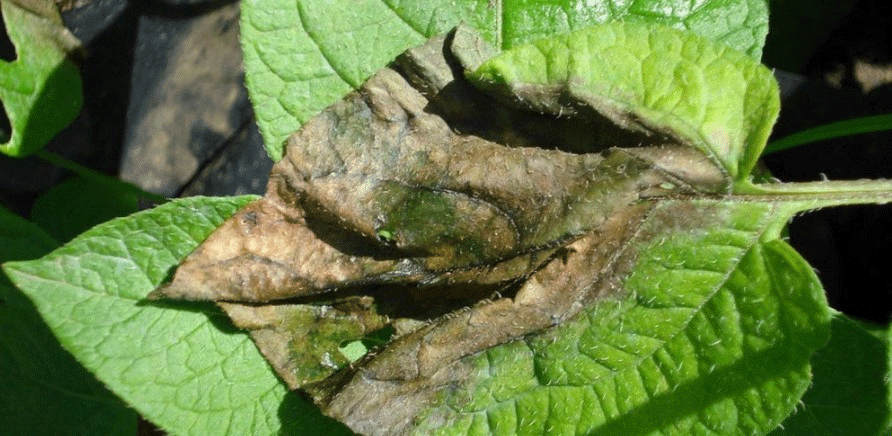
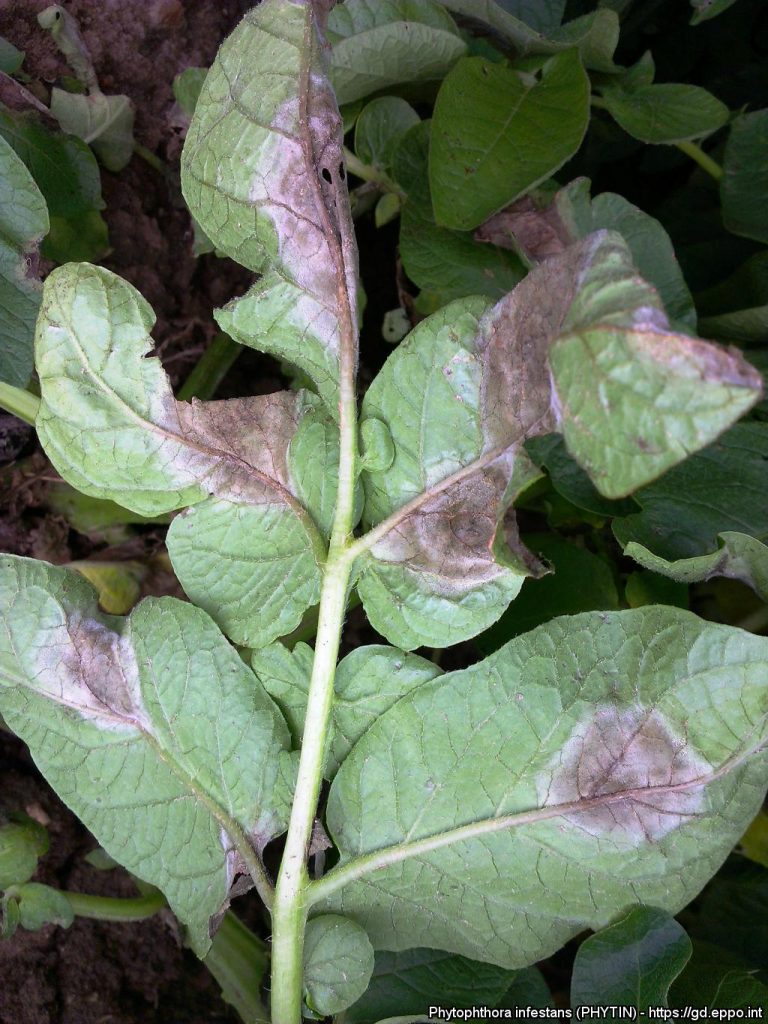
The Spread and Impact of Late Blight in Ontario Late blight, caused by the pathogen Phytophthora infestans, is a devastating disease affecting both potatoes and tomatoes. Recently, outbreaks have been confirmed in Elgin County and Kent County,…
Meloidogyne chitwoodi and M. fallax belong to the root-knot nematodes, which is a polyphagous group of highly adapted obligate plant pathogens of about 100 species. Root-knot nematodes are distributed world-wide and parasitise nearly every species of higher…
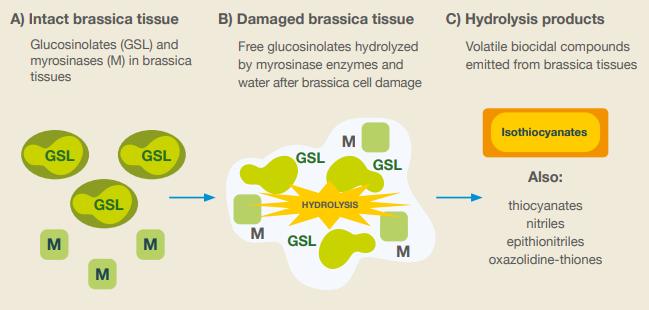
Biofumigation is the use of green manures crops which release biocidal molecules into the soil after their incorporation. This best practice was developed in several countries to cope with the withdrawal of methyl bromide, a most effective…
Globodera rostochiensis and Globodera pallida (potato cyst nematodes, PCNs) cause major losses in Solanumtuberosum . The main route of spread of these nematodes is movement of infested soil (e.g. on farm machinery, adhering to tubers). Infestation occurs…
The pathogen can grow at a very rapid rate after infection and visible symptoms can appear in a matter of days. If infected tubers enter a store the disease can develop there, leading to huge losses. There…
Controlling disease is a fundamental component of storage management. Few diseases originate in store. They mostly come from two primary sources: the seedor the soil. However, many of the disease problems affecting the premium markets can develop…
As the monitoring season for potato psyllids in Idaho begins, early data indicate a potentially higher risk of zebra chip disease (ZC) this year. Farmers and agricultural professionals must stay vigilant and updated on the latest findings…
Late blight caused by Phytophthora infestans is the leading killer in potato production, which can cause the death of leaves and stems and tubers to rot, seriously threatening potato yield and causing huge economic losses. In the…